
Leakage problems during transportation are one of the most common challenges in product packaging.
Choosing the right induction seal liner is important to ensure product protection, prevent leakage, and improve packaging performance.
Different containers such as PET, PE, and PP bottles require different sealing materials and structures.
In this article, we will explain how to choose the right induction seal liner based on your container material and application.
What is an Induction Seal Liner?
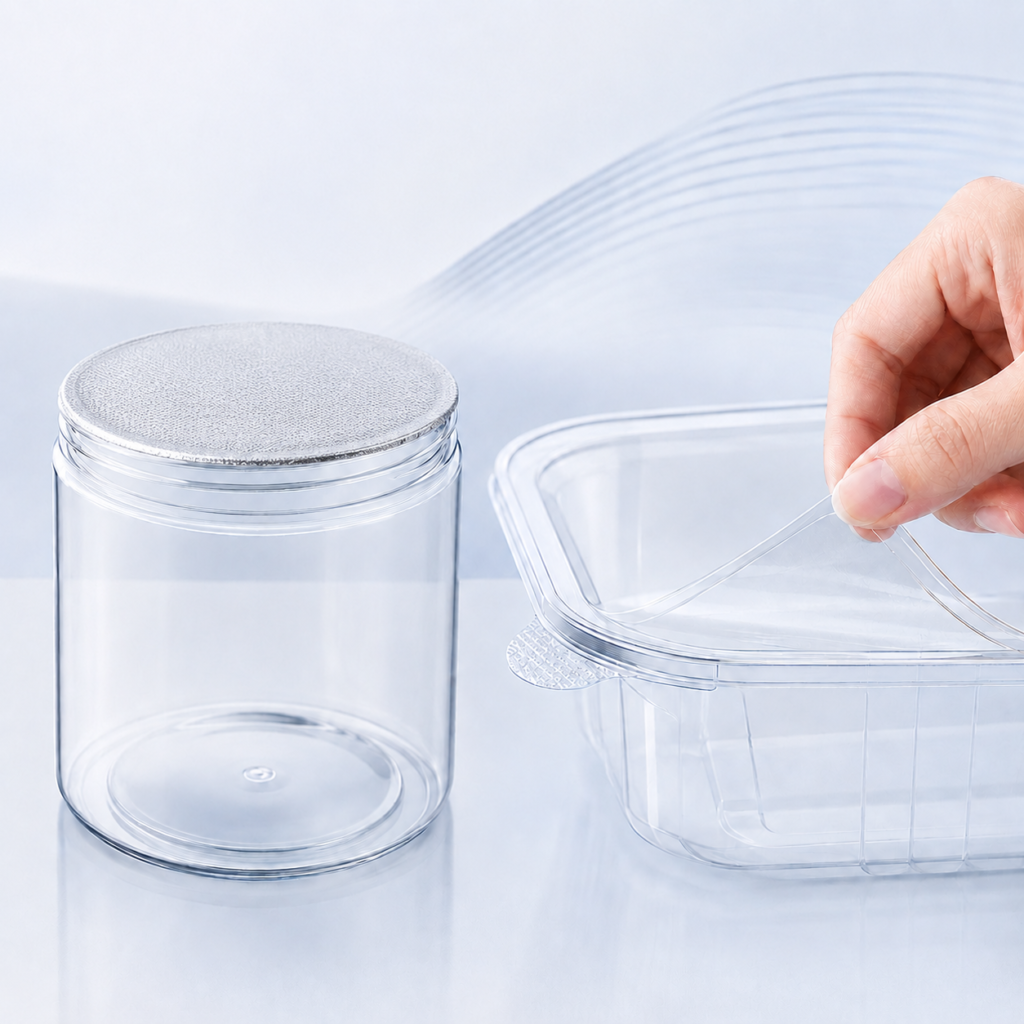
An induction seal liner is a sealing material used between the container and cap.
During the induction sealing process, electromagnetic energy generates heat to bond the liner with the container opening.
This creates a secure seal that helps prevent leakage, contamination, and product damage during transportation.
Choosing the Right Liner Based on Container Material
The most important factor when selecting an induction seal liner is the compatibility between the heat seal layer and the container material.
Different plastic materials require different sealing layers to achieve the best sealing performance.
PET Containers
PET containers are commonly used for beverages, food, cosmetics, and healthcare products.
A PET compatible heat seal layer is required to achieve strong adhesion and reliable sealing performance.
PE Containers
PE containers are widely used for chemicals, detergents, and personal care products.
The liner should be designed with a PE compatible sealing layer to ensure proper bonding.
PP Containers
PP containers are commonly used for food packaging, pharmaceutical products, and industrial applications.
Choosing the correct PP compatible heat seal layer helps prevent sealing failure and leakage.
Key Factors Affecting Induction Sealing Performance
Besides container material, several factors can affect sealing performance, including liner structure, thickness, sealing temperature, sealing time, and induction machine settings.
A suitable induction seal liner should be selected according to the complete packaging system, not only the container material.
Common Problems During Induction Sealing
Even with a high-quality induction sealer, improper liner selection can cause sealing problems.
Common issues include:
- Leakage after sealing
- Poor adhesion between liner and container
- Film peeling
- Inconsistent sealing performance
Why Choose SANTPACK for Customized Sealing Solutions?
SANTPACK is a China manufacturer specializing in customized induction seal liners and sealing films.
With experience in packaging sealing materials, we provide customized solutions for PET, PE, and PP containers.
Our products can be customized according to container material, sealing requirements, diameter, and application.
Need Help Choosing the Right Induction Seal Liner?
Choosing the correct sealing material is essential for reliable packaging performance.
If you need a customized induction seal liner solution, contact SANTPACK for professional support.